

When the Diagnosis Is Wrong Before the Test Even Begins – Why Precision Diagnostics Matter This Dengue Season
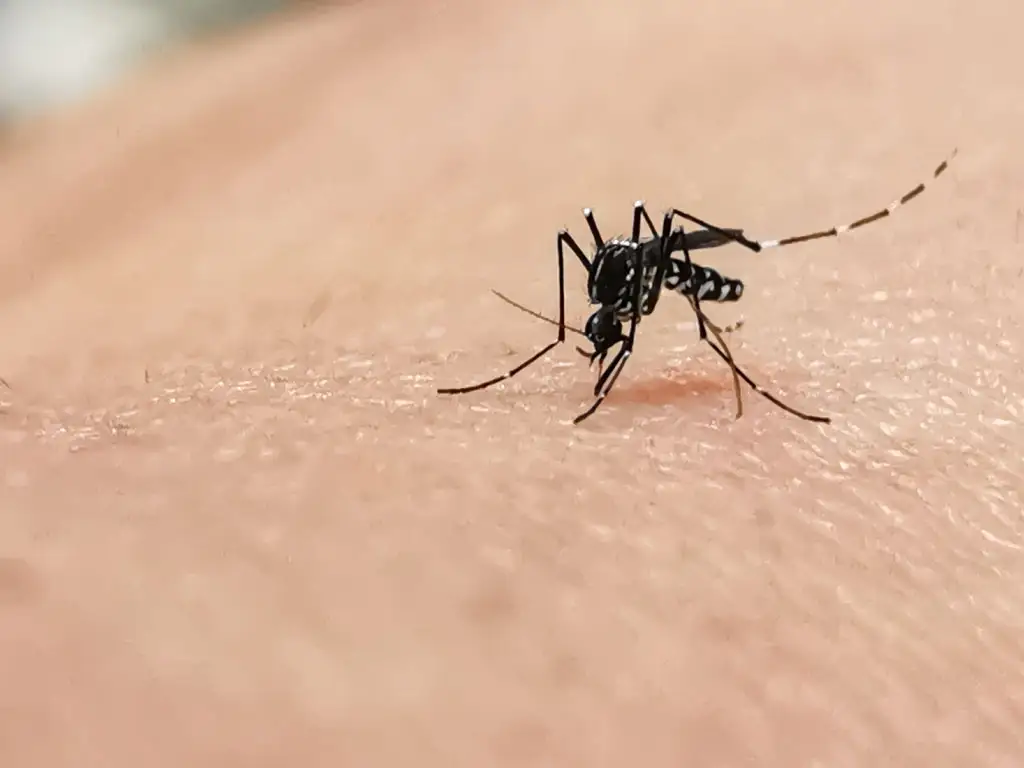
When the Diagnosis Is Wrong Before the Test Even Begins : Why Precision Diagnostics Matter This Dengue Season
Every monsoon, India fights two epidemics at once — one carried by mosquitoes, the other by misinformed assumptions. Only one of them can be controlled at the point of care.*
Clinicians don’t need to be told that dengue cases spike after the monsoon. What is harder to manage is the wave of pre-formed conclusions that walk into the OPD with the patient, a fever assumed to be dengue without testing, a negative rapid test assumed to rule it out entirely, or a family convinced that platelet counts alone tell the whole story.
Public health messaging has rightly begun to treat misinformation as a clinical risk factor, not just a social media nuisance. Delayed care-seeking, self-medication, and skepticism toward evidence-based interventions like the WHO-recommended Qdenga (TAK-003) vaccine all trace back to the same root problem – the public is making medical decisions with non-medical information.
But there is a second, quieter blind spot, one that sits inside the lab, not outside it. Even when patients do the right thing and seek testing, the diagnostic tools most widely used across labs and diagnostic centers were never built for the nuance dengue actually requires.
Where Conventional Testing Falls Short
Ask any clinician managing a febrile patient in week one of illness, and the diagnostic dilemma is familiar:
– NS1 antigen tests lose sensitivity after day 5–7 of fever, right when patients often first present.
-IgM/IgG serology cross-reacts with other circulating flaviviruses — Zika, Chikungunya, Japanese Encephalitis — a real diagnostic hazard in co-endemic regions.
– Rapid antigen kits, while convenient, offer limited help in distinguishing primary from secondary infection, a distinction that matters directly for predicting severity risk.
– Most point-of-care tools give a binary result — positive or negative, with no visibility into viral load, no serotype information, and no early warning signal for the small subset of patients who will progress to severe dengue.
The result is a diagnostic gap precisely where clinical decisions carry the most weight: differentiating a self-limiting fever from a case that needs closer monitoring, before warning signs like persistent vomiting, mucosal bleeding, or restlessness appear.
Precision Diagnostics as the Missing Second Front
If public health communication is the first line of defense against misinformation, molecular-grade diagnostic precision is the second and arguably the one clinicians have the most direct control over.
This is the problem BioCipher was built to solve. By combining molecular biology with AI-driven analysis, BioCipher’s diagnostic approach is designed to give clinicians and labs what conventional kits cannot:
Earlier detection window: Molecular (RT-PCR-based) detection identifies viral RNA directly, extending reliable diagnosis into the early febrile phase before antibody-based tests become informative and before the diagnostic window conventional serology depends on has even opened.
Reduced cross-reactivity risk: Targeted molecular assays are built to discriminate dengue from co-circulating flaviviruses, addressing the exact serological confusion that leads to misdiagnosis in co-endemic states.
Risk stratification, not just detection: AI-assisted interpretation layered on molecular data can help flag patterns associated with primary versus secondary infection and support earlier identification of patients who may need closer clinical observation turning a yes/no test into a clinically actionable signal.
Lab-ready scalability: For diagnostic centers managing seasonal surge volumes, BioCipher’s platform is designed to integrate into existing lab workflows without demanding a parallel infrastructure build-out — critical when case volumes triple within weeks of the monsoon’s onset.
Why This Matters Beyond the Individual Patient
Every misdiagnosed or late-diagnosed dengue case has a ripple effect. It reinforces the very misinformation public health campaigns are trying to fight — a patient told their fever “wasn’t really dengue” by an inconclusive test is a patient less likely to trust the next warning sign, the next test, or the next vaccine recommendation.
Precision diagnostics, in that sense, are not just a clinical tool. They are a credibility tool. Every accurate, timely result a lab delivers is one less data point misinformation can exploit.
The Takeaway for Labs and Clinicians
Dengue control has always required two coordinated efforts: controlling the mosquito, and controlling the narrative. There is a third front that deserves equal attention this season controlling diagnostic uncertainty at the point of testing.
For clinicians, labs, and diagnostic centers preparing for peak season, the question is no longer just “is it dengue?” It’s “how early, how precisely, and with how much clinical confidence can we answer that?”
That is the question BioCipher’s molecular and AI-powered diagnostic platform is built to answer.
BioCipher Labs partners with clinicians, hospital laboratories, and diagnostic centers to bring molecular-grade precision to infectious disease detection. To explore integration for your lab ahead of peak dengue season, connect with the BioCipher team.